
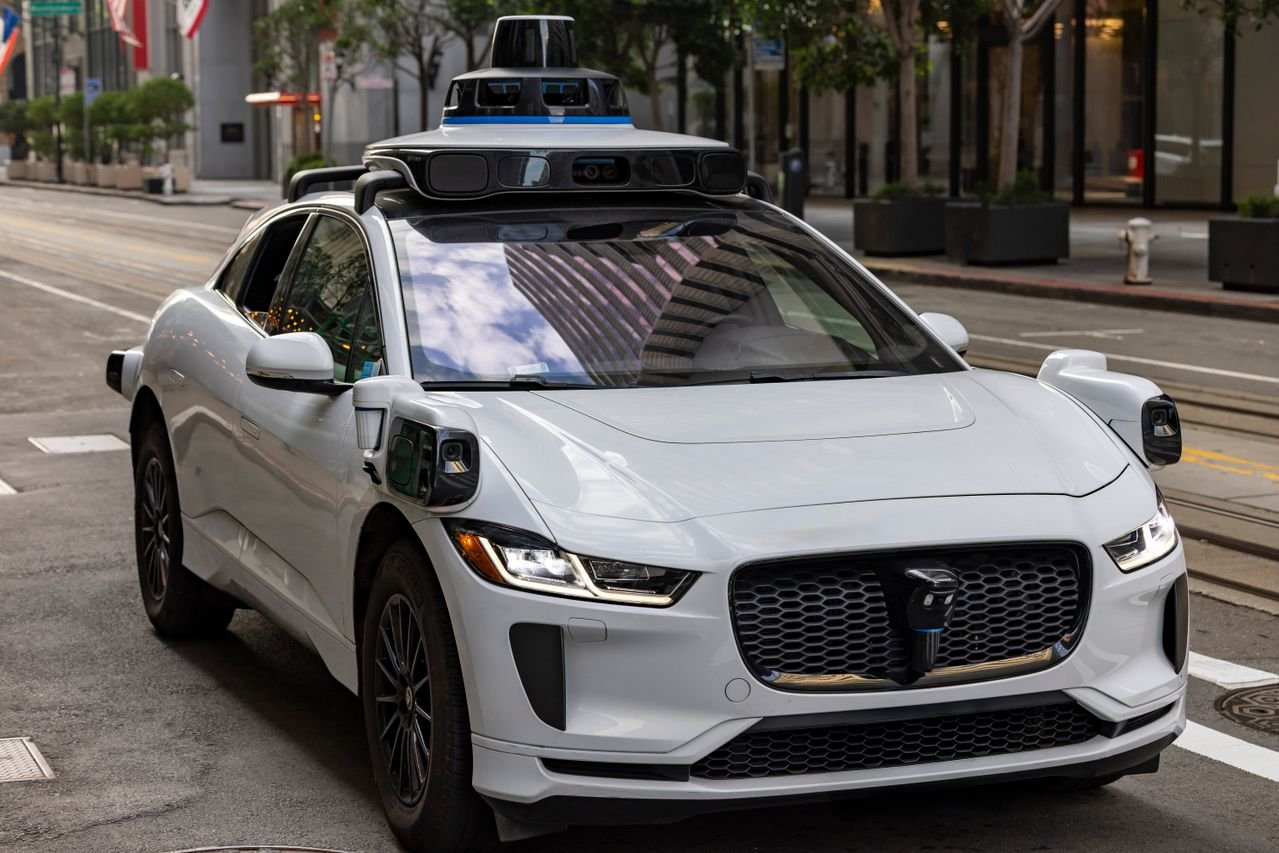
The autonomous vehicle (AV) industry categorizes self-driving capabilities using the SAE J3016 Standard, which defines six distinct levels of driving automation ranging from Level 0 (No Automation) to Level 5 (Full Automation).
Understanding these levels is critical for enterprise leaders, automotive engineers, and policy makers, as the transition between levels represents shifts in legal liability, hardware cost, sensor fusion architectures, and computing power.
1. The SAE Automation Spectrum: Levels 0 to 5
THE SAE J3016 AUTOMATION SPECTRUM

[ Human Driver Monitors Environment ]      │   [ Automated System Monitors Environment ]
───────────────────────────────────────────┼───────────────────────────────────────────
 Level 0      Level 1      Level 2         │    Level 3      Level 4      Level 5
(No Auto)    (Driver Asst) (Partial Auto)  │   (Cond Auto)  (High Auto)  (Full Auto)
Level 0: No Driving Automation
-
Execution: The human driver performs all tactical driving tasks (steering, braking, accelerating).
-
System Role: Provides temporary warnings or intervention (e.g., Blind-Spot Monitoring, Automatic Emergency Braking, Lane Departure Warning).
Level 1: Driver Assistance
-
Execution: The system controls either steering or speed, but not both simultaneously.
-
System Role: Adaptive Cruise Control (ACC) or Lane Keeping Assist (LKA). The driver must maintain full attention and control at all times.
Level 2: Partial Driving Automation
-
Execution: The system simultaneously controls both steering and acceleration/deceleration (e.g., lane centering combined with adaptive cruise control).
-
Human Role: The driver must keep eyes on the road and hands on the wheel (or be monitored by attentiveness cameras). The driver remains legally liable for vehicle actions.
-
Examples: Tesla Autopilot / Full Self-Driving (Supervised), GM Super Cruise, Ford BlueCruise.
2. The Technological Chasm: Level 2 vs. Level 3+
The operational shift between Level 2 and Level 3 represents the biggest safety and legal hurdle in autonomous engineering:
                          THE RESPONSIBILITY CHASM

         Level 2 (Partial)                   Level 3 (Conditional)
┌────────────────────────────────┐  ┌────────────────────────────────┐
│ • System steers & accelerates  │  │ • System steers & accelerates  │
│ • HUMAN monitors environment   │  │ • SYSTEM monitors environment  │
│ • Human legally liable         │  │ • OEM assumes legal liability  │
│ • Hands-on / Active attention  │  │ • Driver takes over on request │
└────────────────────────────────┘  └────────────────────────────────┘
-
Level 3 (Conditional Automation): The vehicle handles all aspects of driving within a specific Operational Design Domain (ODD)—such as traffic jams on mapped highways. The human driver can take their eyes off the road (e.g., watch a video), but must be ready to take back control when requested by the vehicle within a few seconds.
-
Level 4 (High Automation): The vehicle operates entirely without human intervention within designated geofenced areas and conditions (e.g., robotaxi fleets in specific cities). If an emergency occurs, the vehicle brings itself to a safe stop without driver intervention.
-
Level 5 (Full Automation): The vehicle can drive anywhere, under any weather and road conditions, without human intervention. Steering wheels and pedals are entirely optional.
3. SAE Levels Matrix & Sensor Architecture
| Level | Name | Steering & Speed | Environment Monitoring | Fallback Responsibility | Typical Sensor Suite Required |
| L0 | No Automation | Human | Human | Human | Basic Ultrasonic / Radar |
| L1 | Driver Assist | Human + System | Human | Human | Mono-Camera / Front Radar |
| L2 | Partial | System | Human | Human | Stereo Cameras + Radar Array |
| L3 | Conditional | System | System | Human (On request) | Cameras + Radar + Solid-State Lidar + HD Maps |
| L4 | High | System | System | System (Safety Stop) | Multi-Lidar + Radar + Ultrasonic + Thermal + Redundant Compute |
| L5 | Full | System | System | System | All-Weather Multi-Sensor Array + Satellite + V2X |
4. Primary Sensor Suites & Compute Frameworks
Achieving higher automation levels relies on fusing data from complementary sensor technologies:
                   SENSOR FUSION ARCHITECTURE FOR L3 / L4

┌────────────────────────┐    ┌────────────────────────┐    ┌────────────────────────┐
│   Optical Cameras      │    │     Millimeter Radar   │    │      Lidar Arrays      │
│ (2D Color / Signs)     │    │ (Velocity in Fog/Rain) │    │ (3D Spatial Pointcloud)│
└───────────┬────────────┘    └───────────┬────────────┘    └───────────┬────────────┘
            │                             │                             │
            └─────────────────────────────┼─────────────────────────────┘
                                          ▼
                         ┌─────────────────────────────────┐
                         │   Central Compute Platform      │
                         │   (Sensor Fusion / SLAM / AI)   │
                         └─────────────────────────────────┘
-
Computer Vision (Cameras): High-resolution optical cameras read lane markings, traffic signs, and signals. They excel at object classification but can struggle in blinding glare or direct fog.
-
Radar (Radio Detection and Ranging): Measures velocity and distance using radio waves. Radar operates effectively through rain, snow, and fog, but lacks fine spatial resolution.
-
Lidar (Light Detection and Ranging): Fires millions of laser pulses per second to build a dense 3D point-cloud map of the surroundings. Lidar provides exact millimeter-level spatial depth regardless of ambient lighting conditions.
-
V2X (Vehicle-to-Everything): Direct communication links allowing autonomous vehicles to communicate directly with traffic lights, roadside units, and nearby vehicles to coordinate movements beyond line-of-sight.
5. Main Bottlenecks to Level 5 Realization
-
The Edge Case “Long Tail”: Training machine learning models to handle unpredictable real-world anomalies—such as heavy snow obscuring lane markings, unusual traffic control gestures, or erratic pedestrian behavior—requires billions of miles of validated driving data.
-
High Hardware Costs: Grade-A redundant automotive compute hardware and multi-Lidar arrays remain expensive, restricting level 4 deployment primarily to commercial fleet models (robotaxis) rather than consumer vehicles.
-
Regulatory & Liability Frameworks: Transitioning legal liability from the driver to the automotive manufacturer requires clear international legislation and insurance framework overhauls.